
Your web application is your biggest attack surface
We identify how web applications can be abused, bypassed, or manipulated before they impact your business, data, or users.
Application security issues rarely stay technical for long
Web applications often handle authentication, sensitive data, transactions, and critical business workflows.
If security weaknesses remain undiscovered, they can lead to unauthorized access, data exposure, or manipulation of core application functions.
No need to attack your infrastructure first
Attackers often begin with the application itself.
Weaknesses in input handling, authentication, or access control can expose critical functionality directly.
Business logic is often the real target
Not all application flaws are technical implementation bugs.
Workflows, assumptions, and user-facing logic can be manipulated in ways that automated tools rarely detect.
Before anyone notices
Application-level vulnerabilities may remain hidden behind normal traffic and valid user behavior.
By the time they are discovered, the impact may already affect data, operations, or trust.
Whiteshield helps you identify real weaknesses in authentication, access control, input handling, and business logic so you can make informed security decisions with confidence.
How we test your web applications in real-world conditions
Our web application testing follows a structured methodology aligned with the OWASP Web Security Testing Guide (WSTG).
We combine manual testing with proven assessment practices to identify technical vulnerabilities, logic flaws, and security weaknesses across the application lifecycle.
Application Mapping & Attack Surface
We begin by understanding the application, its components, and the surrounding environment.
This includes:
- application structure and exposed functionality
- technologies and infrastructure in use
- deployment-related context
- areas that may increase attack surface
The goal is to establish a realistic view of how the application can be approached and where testing should focus.
Authorization & Access Control
We test whether users can access only the functions and data appropriate to their role.
This includes:
- privilege enforcement
- access restrictions between user roles
- protection of sensitive functions
- prevention of unauthorized access to data or functionality
Access control weaknesses often have direct business impact, which is why this area receives focused attention.
Business Logic & Client-side Testing
We assess how the application behaves in real usage scenarios, not only how it responds technically.
This includes:
- workflow and business logic validation
- abuse of intended functionality
- logic flaws that automated tools may not detect
- risks introduced by client-side components such as JavaScript and browser-based functionality
This is often where technically correct applications still fail from a security perspective.
Identity, Authentication & Session Security
We assess how the application identifies users, authenticates access, and manages sessions.
This includes:
- identity-related functionality
- authentication mechanisms
- password-related controls
- session creation, handling, and termination
We evaluate whether these controls are implemented securely and whether weaknesses could allow misuse or unauthorized access.
Input Handling, Errors & Cryptography
We examine how the application processes input, handles errors, and protects sensitive functions.
This includes:
- input validation
- injection-related risks such as SQL injection and XSS
- error handling and exception behavior
- weak or improper cryptographic implementation
The objective is to identify weaknesses that could expose sensitive data or create exploitable technical conditions.
Risk Evaluation, Reporting & Platform Access
Findings are reviewed in context and prioritized based on their potential impact on the application, its users, and related business processes.
Where relevant, we also consider risks reflected in the OWASP Top 10 for Web application functionality, and findings may be assessed using CVSS v3.1 and v4.0 to support consistent severity evaluation.
In addition to the report, findings are available through the Whiteshield platform, where your team can:
- review issues online
- revisit evidence and descriptions
- track findings more efficiently
Web application insights & real-world cases
Explore how web application vulnerabilities are identified, how they are abused in practice, and why application security is often inseparable from business risk.
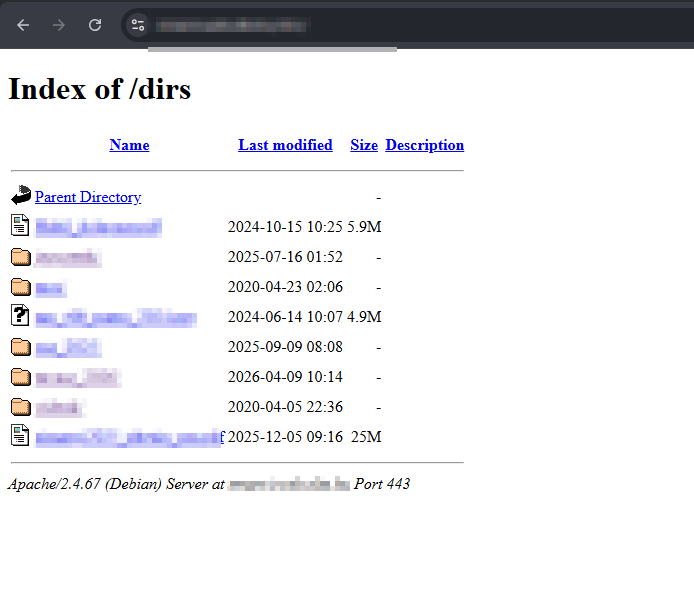
Directory listing as a security risk | Why is directory listing dangerous?
Directory listing as a security risk Most attacks do not begin with the discovery of a critical vulnerability. They begin with reconnaissance. In many cases, attackers do not even need specialised tools to gather valuable information – because the web server willingly…
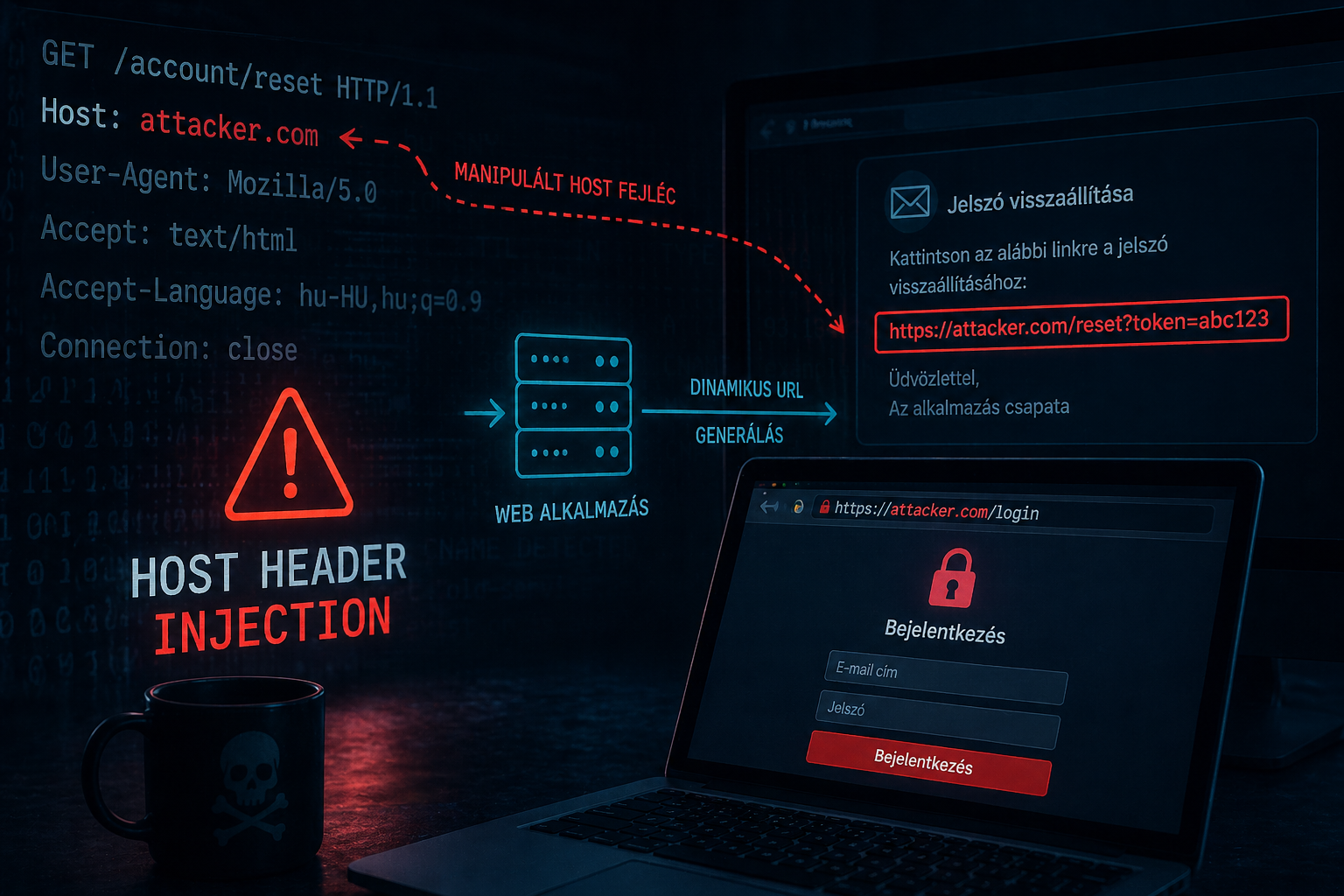
Host header injection – hidden web security risk in pentesting
Host header injection from a pentester’s perspective: risks, attack paths and mitigation Host header injection is not a new vulnerability. It is a recurring issue that often leads to a critical impact. A single improperly handled header can be enough for account…
Security Starts With a Conversation
Skip the sales pitch. Have a high-level conversation about your business
continuity and operational risk.