
When should you conduct a penetration test?
Many organisations still view penetration testing as a mandatory administrative requirement , something needed for ISO certification, an audit, or a procurement process.
In reality, pentesting is more than compliance. In modern enterprises, it shifts from an IT security check to a business risk assessment, supporting strategic decision-making and both data security and long-term resilience.
What is a pentest and why does it matter for data security?
A penetration test is a controlled, authorised attack simulation designed to uncover real-world vulnerabilities within systems, applications, and infrastructures.
A proper pentest is more than an automated vulnerability scan with a report. Instead, experienced ethical hackers conduct a structured assessment, followed by a strategic report that frames findings in a business context.
An effective pentest report identifies vulnerabilities, analyses attack paths, prioritises risks, and demonstrates how a real attacker could think and operate within the environment.
Given this, conducting a penetration test becomes even more crucial for organisations that handle sensitive data, operate complex integrations, rely on cloud infrastructure, or support critical business operations through digital systems. The following scenarios highlight when pentesting can have the greatest impact.
When introducing new systems or technologies
Whether deploying a new platform, integrating a new API, migrating to the cloud, or implementing a microservices architecture, every technological change creates new attack surfaces.
Development projects naturally prioritise functionality and delivery deadlines, which can increase the likelihood of security gaps being introduced into the environment.
In these cases, pentesting identifies potential entry points and helps reduce long-term security risks, especially for public-facing web applications, SaaS platforms, and systems that process customer data.
During periods of significant business growth
Rapid growth creates not only business opportunities, but also exponentially increasing security risks.
More clients mean more data, more integrations, and more complex infrastructure. What appears to be a minor edge case in a smaller environment can become a serious security incident at enterprise scale.
Typical issues include:
- insufficient API protection,
- session management weaknesses,
- faulty multi-tenant isolation,
- excessive exposure of sensitive data,
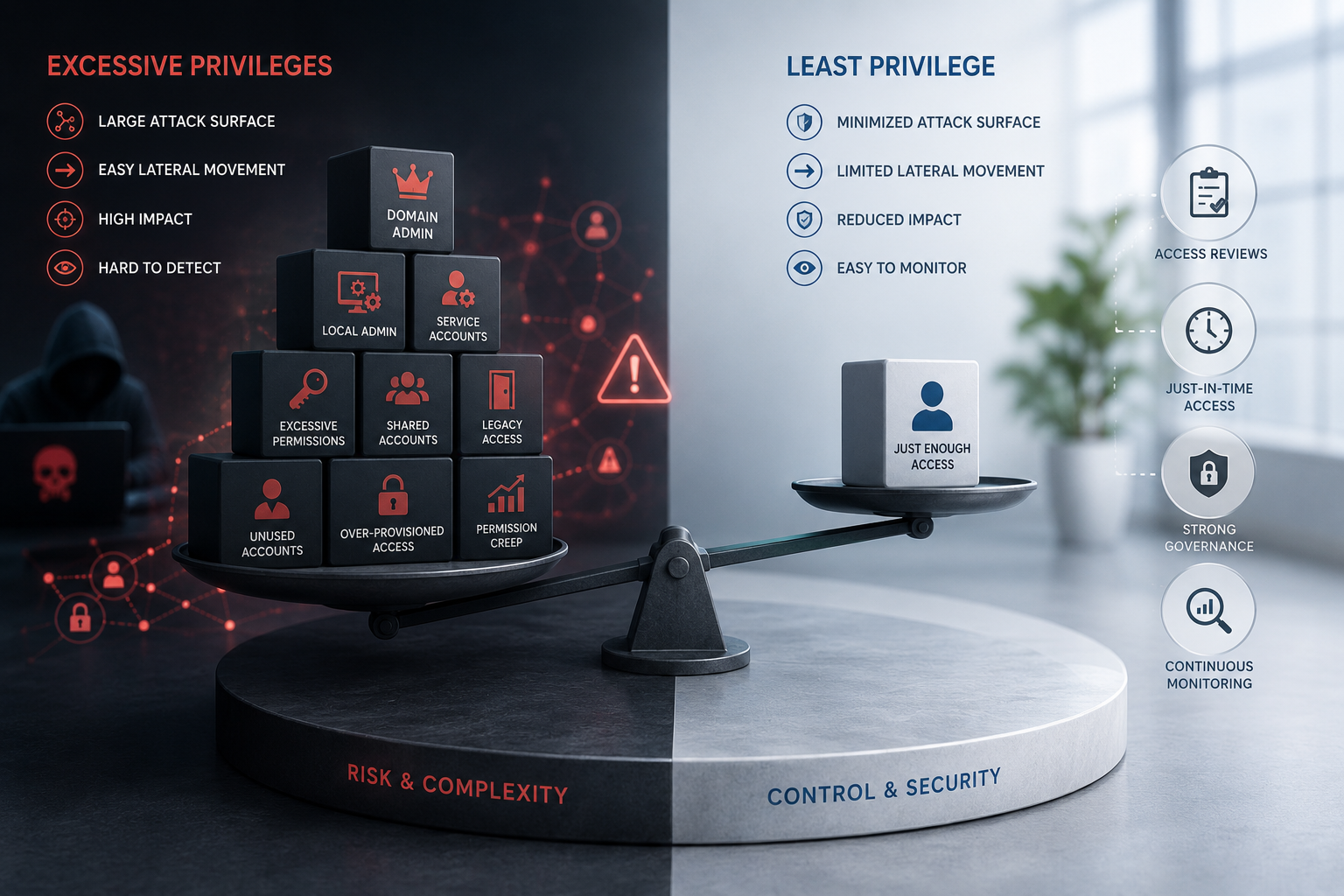
- and privilege management failures.
A well-timed pentest exposes these weaknesses before they become breaches, reputational damage, or operational disruptions.
Security validation during increased external exposure
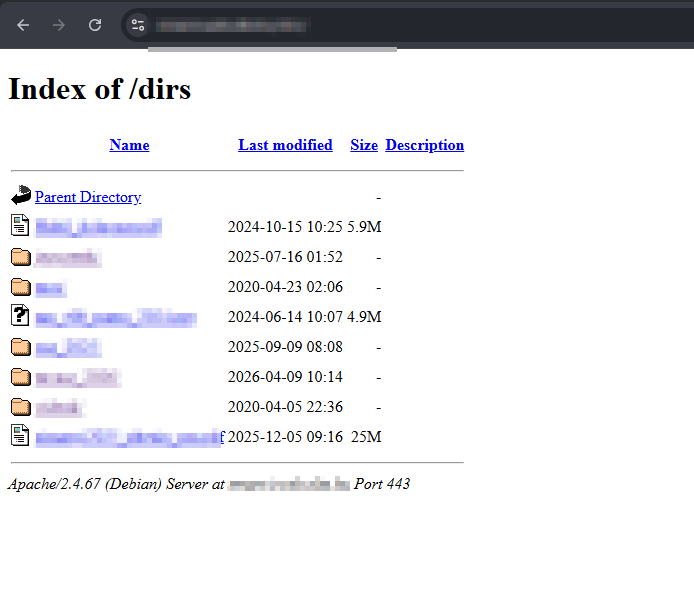
One of the most common misconceptions is that the attack surface is limited to the public website. In reality, every new external connection increases exposure, including:
- partner integrations,
- external APIs,
- third-party services,
- CI/CD pipelines,
- cloud environments,
- VPN infrastructure,
- mobile applications,
- and forgotten administrative interfaces.
Many organisations are not fully aware of their actual digital exposure or the potential impact of a successful attack.
A pentest in these cases uncovers both visible and hidden weaknesses, making previously unidentified risks measurable and actionable.
After a security incident
It is common for organisations to believe that once an incident has been contained, the security problem itself has been resolved. Unfortunately, this assumption is often incorrect.
Attackers rarely rely on a single vulnerability. Most successful compromises result from chaining together several smaller weaknesses. A post-incident pentest helps organisations understand:
- how the attack occurred,
- which attack paths remain exploitable,
- whether lateral movement is still possible,
- and where additional critical weaknesses exist.
Remediation and retesting: Where the real value begins
A professional pentest does not end with identifying vulnerabilities. Remediation and subsequent retesting are as important as the original simulation.
During remediation, development, operations, and security teams work together to resolve identified issues based on the assessment findings. A senior-level penetration test provides not only technical findings, but also prioritised remediation guidance aligned with business risk.
Retesting then verifies whether vulnerabilities have been properly resolved and whether the implemented fixes introduced any additional security issues. This is especially important in complex enterprise environments where a single modification can impact multiple systems.
Together, remediation and retesting make pentesting a true risk reduction process, not just a compliance document.
Before audits, investments, or acquisitions
Security due diligence is no longer optional during corporate assessments, it is a business expectation. This holds especially for organisations that handle sensitive data, operate complex digital infrastructure, or serve enterprise clients.
For investors, acquisition partners, and enterprise customers, cybersecurity maturity is directly linked to operational risk, reputation, and ultimately company value.
Financial institutions, insurers, enterprise procurement teams, and public-sector organisations increasingly require:
- recent penetration testing reports,
- documented security controls,
- and an accurate picture of the organisation’s current exposure.
A report produced several years ago is rarely considered relevant today. Attack surfaces, infrastructures, and threat landscapes evolve continuously.
A professionally conducted pentest, therefore, becomes:
- a trust-building mechanism,
- A recent pentest report demonstrates security confidence and competitive readiness for high-risk industries.
This is particularly relevant in industries such as:
- finance,
- healthcare,
- SaaS,
- e-commerce,
- energy,
- logistics,
- and critical infrastructure.
When “everything seems fine”
The absence of visible incidents does not necessarily mean systems are secure.
If an organisation appears untouchable, it usually means one of two things:
- Security maturity is genuinely strong,
- Nobody has assessed the environment with a genuine attacker mindset.
Many critical vulnerabilities remain undiscovered for years, not because they are exceptionally sophisticated, but because no one has attempted to exploit them with realistic attack methodologies.
Therefore, scheduled pentests validate real security, offering assurance beyond assumptions or perceived safety.
Why the “false sense of security” is dangerous
One of the biggest cybersecurity risks is often not the vulnerability itself, but the assumption that “everything must be fine”.
Meanwhile, attack surfaces continuously evolve. New systems, integrations, permissions, and vulnerabilities emerge almost constantly. Real attackers do not operate in static environments. They actively search for small weaknesses and configuration issues that can eventually lead to significant compromise.
Therefore, pentesting should not be a one-time security measure, but an ongoing validation process that uncovers business risks in a measurable, actionable way.
What a professional pentest actually delivers
A professional penetration test provides far more than a technical list of vulnerabilities.
The true value lies in the context that an experienced senior consultant can provide around the findings.
One of the most important elements of a professional pentest is risk prioritisation. Not every vulnerability represents the same level of threat, and not every technical issue leads to real compromise.
An experienced ethical hacker can distinguish between:
- issues requiring immediate action,
- lower-priority weaknesses,
- and findings that can be addressed in later remediation cycles.
In summary, the real test is how multiple issues might combine in practice, not how single flaws exist in isolation.
Most importantly, senior-level penetration testing translates technical issues into business language. CEOs, CISOs, and procurement leaders do not need CVE lists — they need to understand:
- the business impact,
- the operational consequences,
- and the remediation priority associated with each risk.
Why one pentest per year is rarely enough
An annual compliance-driven penetration test is now considered only a minimum baseline security requirement.
Modern infrastructures evolve continuously:
- new features are released,
- integrations are added,
- cloud environments change,
- permissions shift,
- and new vulnerabilities emerge constantly.
Attackers do not operate according to annual audit schedules. A newly exploitable weakness represents an immediate opportunity.
Continuous validation and risk management through pentesting ensure your organisation stays ahead of emerging threats.
Pentesting as a decision-support tool
A penetration test is neither magic nor a marketing exercise. When properly executed, it becomes one of the most effective tools available for reducing real-world business risk, improving cybersecurity maturity, meeting enterprise expectations, and supporting informed security decisions.
The real question is not whether a pentest is worth conducting. Acting late can lead to higher costs, pentesting is an investment in early prevention and long-term security.
If you would like a realistic picture of your organisation’s current attack surface and business risks, contact our senior ethical hacking specialists for a consultation here!